Copenhagen Photographer’s Headshot Outfit Ideas That Read in Thumbnails

The safest headshot outfit is a well-fitted, solid mid-tone or jewel-toned top with minimal accessories, and the single rule that matters more than any color chart is fit over price. Bring a few outfit options to your session so you and your photographer can pick the one that reads best on camera. Below, you’ll find specific looks, color logic, and the fit checks that make the difference between a flat photo and one that looks like you.
TL;DR:
- Buying a well-fitting solid top in a mid-tone or jewel color is more important than choosing a specific shade, with navy, charcoal, or green recommended.
- Avoid pure white, black, neon, and small patterns, as studio lighting can cause exposure issues or camera artifacts that distract from the face.
- Check shoulder seams and sleeve length before the session, and consider quick in-store tailoring to improve outfit fit more than replacing the entire look.
- Select necklines that elongate or balance your face, such as V-necks for round faces or crew necks for versatility, and verify outfit clarity with a quick photo test.
- Prepare by trying outfits in advance, scheduling grooming, and bringing minimal accessories, while coordinating your wardrobe to match your industry or platform.
Table of Contents
- 1. Eight camera-safe outfit ideas and why they work
- 2. Colors and fabrics that photograph reliably
- 3. How neckline, fit, and tailoring frame your face
- 4. Accessories, glasses, and grooming for studio lighting
- 5. What to wear by professional context
- 6. Session-day checklist and timeline
- 7. What a Copenhagen photographer looks for in an outfit
- 8. Footwear and lower-body clothing for full-body shots
- 9. How photographers help you choose on the spot
- 10. Book a guided headshot session
- Sources
- FAQ
1. Eight camera-safe outfit ideas and why they work
Each of these works because it keeps the focus on your face instead of your clothing, which is the actual job of a headshot.
- Navy blazer over a crew-neck tee: reads as polished but relaxed, and works from thumbnail to full crop; have the shoulder seams checked so they sit exactly on your shoulder bone.
- Charcoal blazer with an open-collar shirt: a strong, wider-crop option for corporate or executive contexts; avoid a shirt collar that gaps at the neck.
- Burgundy or forest green sweater, crew neck: warm jewel tones flatter most skin tones and photograph consistently under studio light, according to a wardrobe guide for headshots.
- Teal button-down, sleeves rolled: a creative-industry look that still feels intentional; roll sleeves evenly to avoid a lopsided crop.
- Cream or off-white blouse: safer than pure white under strobes, and it holds detail instead of blowing out.
- Black turtleneck: strong for editorial or artistic branding, but pair with warmer studio lighting since it can flatten in flat light.
- Soft gray V-neck sweater: a good thumbnail-safe option that narrows a broader face shape.
- Deep plum or wine-colored top: an alternative jewel tone for readers who want to avoid navy without going bold.
Tailoring tip: whichever piece you lean toward, try it on and check the shoulder seam alignment first. That single fit point affects every one of these looks more than the color choice does.
2. Colors and fabrics that photograph reliably

Solid mid-tones and jewel tones, navy, charcoal, forest green, burgundy, and teal, photograph consistently across skin tones and backdrops, according to a headshot color guide. Cooler jewel tones (navy, teal, deep plum) tend to suit cooler skin undertones, while warmer tones (burgundy, olive, rust) suit warmer undertones, though either can work depending on the backdrop.
Pure white and pure black carry real risk. Studio lighting can blow out pure white and flatten pure black, according to Backstage’s headshot outfit guidance, so swap white for off-white or cream, and swap flat black for a textured or slightly heathered dark instead. Neons cause similar exposure problems and can cast unflattering color onto the skin.
- Choose matte fabrics over shiny ones; glossy materials create hotspots under studio strobes.
- Avoid thin stripes and small repeating patterns, which can cause a shimmering moiré effect on digital cameras.
- Skip large logos or branded graphics that pull the eye away from your face.
- Favor fabrics with subtle texture (fine knits, brushed cotton) over slick synthetics.
3. How neckline, fit, and tailoring frame your face
The neckline you choose changes how your face reads at thumbnail size, which is how most headshots get seen first (LinkedIn, a company directory, a Google Business profile).
- V-necks draw the eye downward and can elongate a round face.
- Crew necks are the safest all-around choice and work for nearly every face shape.
- Boat necks widen the shoulder line, which suits a narrower frame.
- Turtlenecks look strong in print or editorial contexts but can shorten a shorter neck, so use them selectively.
Run the quick thumbnail test before your session: snap a photo in natural light, shrink it down to phone-icon size, and check if the outfit still reads clearly, a method recommended in a headshot wardrobe guide. Check that shoulder seams sit at the actual shoulder point and sleeves end at the wrist bone, not past it.
Pro Tip: A $15 in-store tailoring fix on a blazer’s shoulders often improves a photo more than swapping the entire outfit.

4. Accessories, glasses, and grooming for studio lighting
Small choices here either support the outfit or distract from it.
- Keep jewelry minimal: one simple piece (stud earrings, a slim necklace) is plenty.
- Avoid large reflective pieces (big watches, statement metal jewelry) that catch strobe light.
- Wear your daily glasses if you wear them, ideally with an anti-reflective coating, and bring a no-glasses option as backup in case of glare.
- Do makeup and hair in the two hours before your session, not the night before, so it still looks fresh on camera.
- Trim facial hair a day or two ahead rather than the morning of, to avoid razor redness.
- Pack blotting papers, a small mirror, and a comb for quick touch-ups between shots.
5. What to wear by professional context
Matching your outfit to your industry keeps you from over-dressing or under-dressing for the platform your headshot will live on. A useful heuristic across contexts is to dress one level above your daily norm, a rule suggested in industry-specific headshot advice.
- LinkedIn/corporate: navy blazer with a crew-neck top, charcoal suit jacket with an open collar, or a solid button-down with no tie needed for most roles.
- Startup/tech: a well-fitted sweater, a clean button-down with sleeves rolled, or a soft blazer over a t-shirt.
- Creative fields: a turtleneck, a statement jewel-toned top, or textured knitwear that shows personality without a pattern.
- Healthcare: a solid-color top under a white coat if that’s part of your role, or a simple crew neck in navy or burgundy if not.
| Context | Suggested outfit | Blazer or tie needed |
|---|---|---|
| Corporate/LinkedIn | Navy blazer, crew-neck top | Blazer yes, tie optional |
| Startup/tech | Fitted sweater or rolled-sleeve shirt | Neither required |
| Creative | Turtleneck or jewel-tone top | Neither required |
| Healthcare | Solid top, coat if applicable | Neither required |
Navy scores especially well across industries as a trust-signaling color, which is part of why it functions as the universal safe choice, per industry headshot guidance.
6. Session-day checklist and timeline
A little planning avoids the last-minute outfit scramble.
- Three weeks out: confirm the purpose of your headshot (LinkedIn, website, press) and pick a color palette to match.
- Two weeks out: pull two to three outfit options and try them on together.
- Ten days out: schedule a haircut or grooming appointment so it looks settled, not fresh-cut, by session day.
- One week out: steam or press each outfit and pack them in a garment bag.
- Session day: bring a lint roller and a small touch-up kit, and wear your strongest outfit first while you’re most relaxed.
This timeline is drawn from a wardrobe planning guide built specifically around headshot sessions. Packing a steamer or portable wrinkle remover matters more than most people expect, since even a small crease shows up sharply under studio light.
7. What a Copenhagen photographer looks for in an outfit
Photographers ask about your intended use, LinkedIn, a company site, an acting reel, before the session even starts, because that answer shapes lighting, cropping, and outfit choice together. During a session, small on-site fixes matter: pinning a collar, rolling a sleeve, or adjusting a shoulder pad can correct a fit issue in seconds, a habit described in a headshot guide mentioning Copenhagen.
Genuine expressions come easier when the outfit stops being something you have to think about.
8. Footwear and lower-body clothing for full-body shots
Most headshots crop at the chest or shoulders, but if your session includes a full-body or three-quarter shot, your lower half needs the same attention as your top.
- Trousers or tailored pants: match the formality of your top; a navy blazer pairs naturally with charcoal or navy trousers rather than casual denim, unless the context is intentionally casual (startup or creative branding).
- Skirts: a knee-length or midi skirt in a solid mid-tone works well and photographs cleanly when it isn’t overly fitted or overly loose.
- Shoes: closed-toe leather shoes or clean sneakers in a neutral tone tend to photograph best. Avoid brand-new shoes with stiff creases or scuffed, worn-out pairs, since both draw the eye.
- Socks: keep them neutral or matching your trousers so they don’t create an odd visual break in a seated or walking pose.
- Fit check: pants that are hemmed slightly long can bunch at the ankle in a standing shot, so a quick check in a mirror before the session catches this early.
If you’re unsure whether your session will include full-body frames, ask ahead so you can plan the lower half of your outfit with the same care as the top, rather than treating it as an afterthought.
9. How photographers help you choose on the spot
Photographers regularly step in on the day, adjusting a collar, rolling a sleeve, or suggesting a quick outfit swap between takes, and a fast test shot usually settles any doubt. That real-time input takes the guesswork off your shoulders, especially if you’ve never modeled before. Don’t hesitate to ask your photographer which option they’d pick.
— Savvy
10. Book a guided headshot session
Guided headshot sessions are available, built around relaxed direction and editorial-style backdrops, ideal for anyone without modeling experience who wants a polished result without overthinking it.
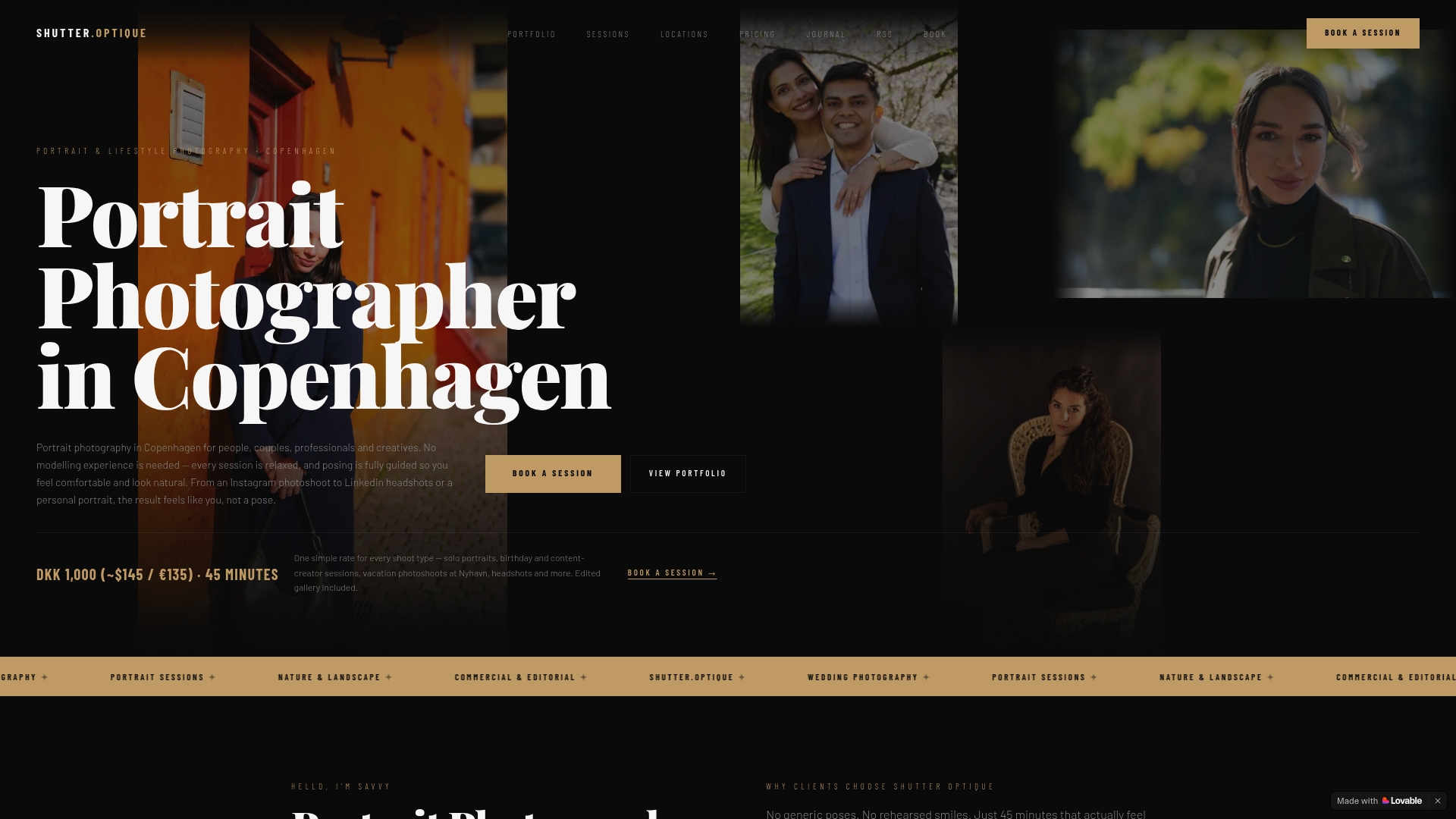
Sessions include professional retouching with a fast turnaround, so you get outfit guidance on the day and a finished gallery within one to two weeks. Book your headshot session to get outfit advice matched to your own coloring and goals.
Sources
- What to Wear for Headshots (2026 Outfit + Color Guide) - Tov Studio Photo
- What to Wear for Professional Headshots — Wardrobe Guide
- Headshot outfits advice - Backstage
FAQ
What is the best outfit to wear for a headshot?
A well-fitted, solid-colored top in a mid-tone or jewel tone, like navy, charcoal, or forest green, works best because it keeps attention on your face. Bring two or three options so you can compare which one photographs cleanest on the day.
What is the best color to wear for a headshot photo?
Navy, charcoal, burgundy, forest green, and teal all photograph reliably across skin tones and backdrops, according to a headshot color guide. Navy in particular tests well across industries as a trust-signaling color.
What not to wear in headshots?
Avoid pure white and pure black, since studio lighting can blow out white and flatten black, per Backstage’s wardrobe advice. Also skip thin stripes, small repeating patterns, neon colors, and large logos, all of which distract from your face or cause camera artifacts.
How to look good in your headshot?
Focus on fit first: check that shoulder seams sit correctly and sleeves end at the wrist. Pick a solid mid-tone or jewel-toned top, keep accessories minimal, and run the quick thumbnail test on your outfit before the session.
How many outfit options should I bring to a headshot session?
Bring two to three outfit options with different colors and necklines so your photographer can help pick the one that crops best, a practice recommended in a headshot wardrobe guide. Wear your strongest option first while you’re most relaxed.